
- Gates
- Railings
- Fencing
- Accessories
& Fitting- Design
& Style
Around the beginning of September every year, people as a whole seem to agree that garden season has come to an end. Garden furniture goes back into storage. Cushions go away into boxes. The area that enjoyed all that attention for months and was tended and cared for gets forgotten until next year.

The security industry has debated this question for decades. Two genuinely opposing philosophies, each with credible supporting evidence. Visible deterrents announce themselves — warning potential intruders that entry won't be easy. Hidden security makes no promises but delivers consequences
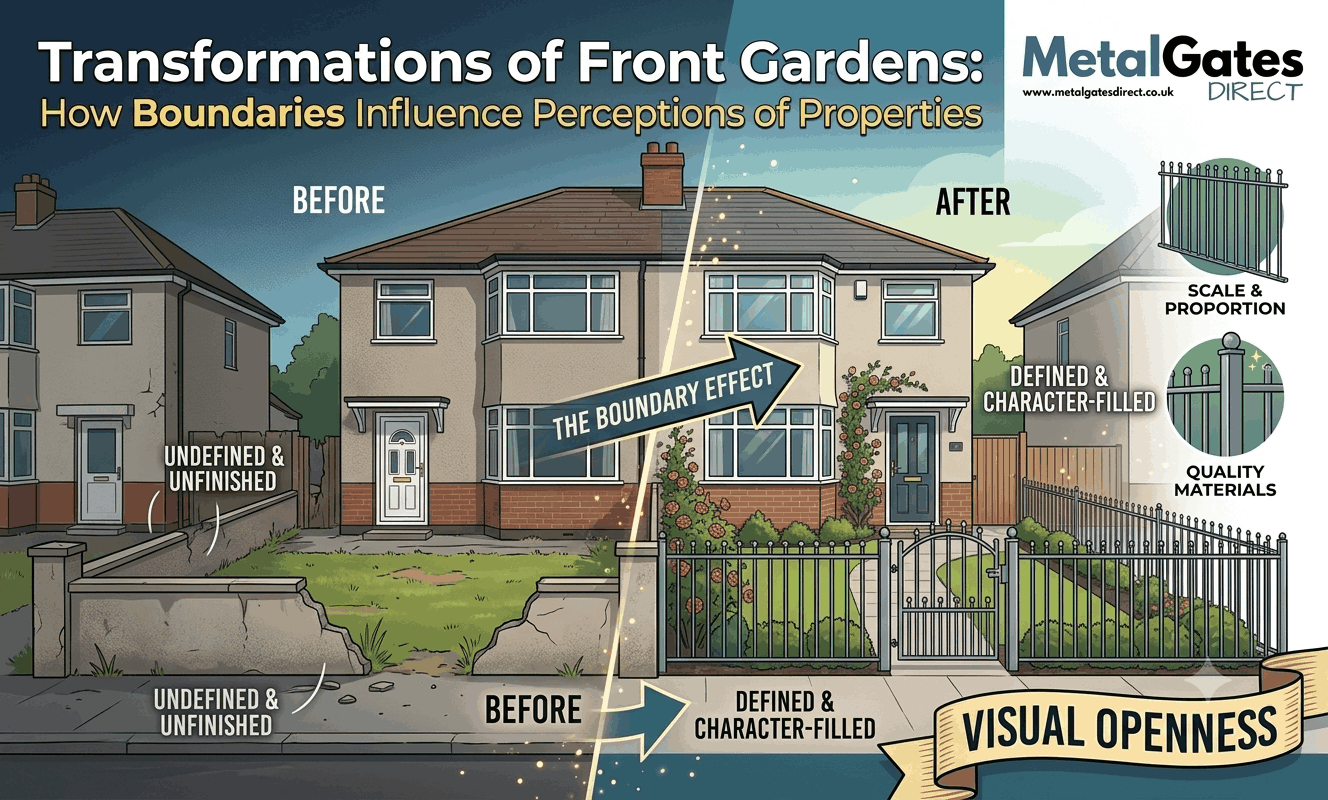
Front gardens tend to be greatly overlooked by the owners of properties. People renovate interiors, kitchens and bathrooms but never think about the most visible part of their home. In fact, the way of treatment of the boundaries of the front garden influences the way properties are perceived both by the visitors, neighbours and sometimes more crucially – potential buyers.
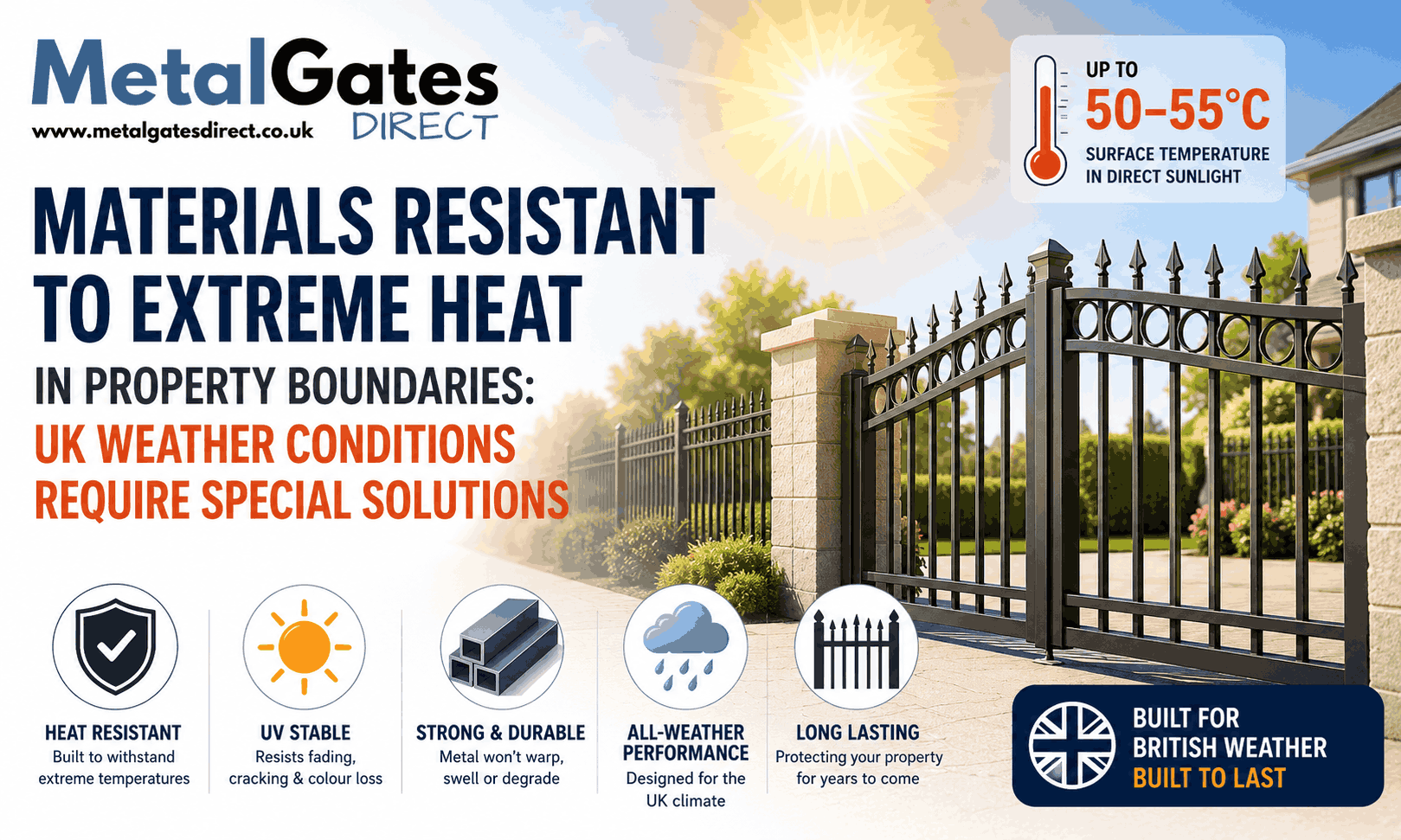
The climate of the Mediterranean has definitely come to Britain this year, as can be noticed already! Average air temperatures around 25 degrees, plants drooping due to dehydration, although rains occurred in April, and buildings facing the effects of these quite extreme conditions. This tendency in weather development is not temporary; indeed, British weather is becoming more and more like this every summer. Therefore, choosing materials for construction becomes especially crucial nowadays.
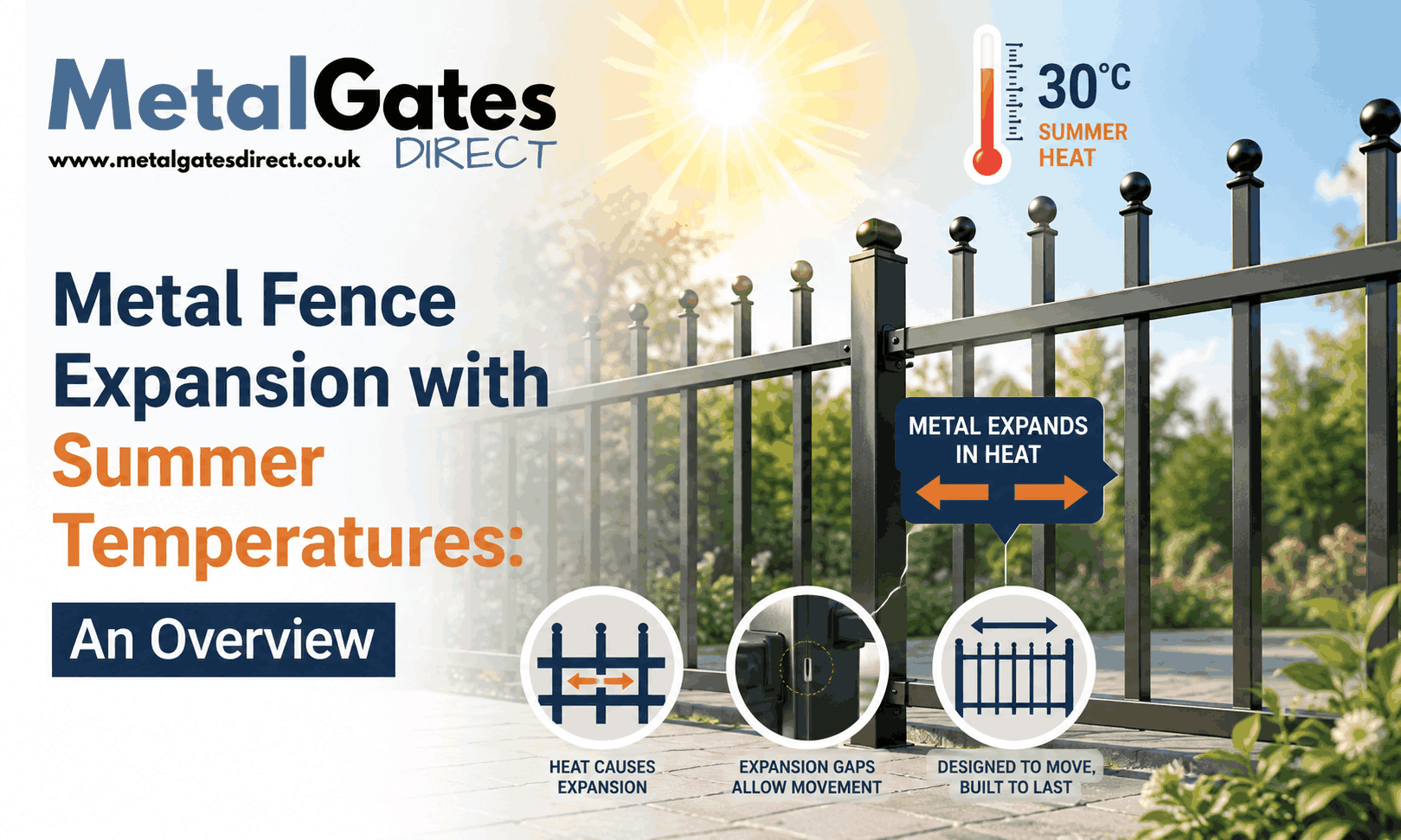
Metal fences and railings expand with temperature fluctuations – throughout the year. Nothing significant to the naked eye and not drastic in anyway. Still, metal does expand with rising summer temperatures – which is key at this time of year as we head into the summer season.

Choosing the right gates for period houses is crucial to preserving the architectural integrity of the property in question. Make a mistake here and even excellent gates will look out of place, ruining the entire appearance. Get it right and the boundaries will enhance the character of the place. Most people fail to achieve this due to missing subtleties which are essential in making the right choice.
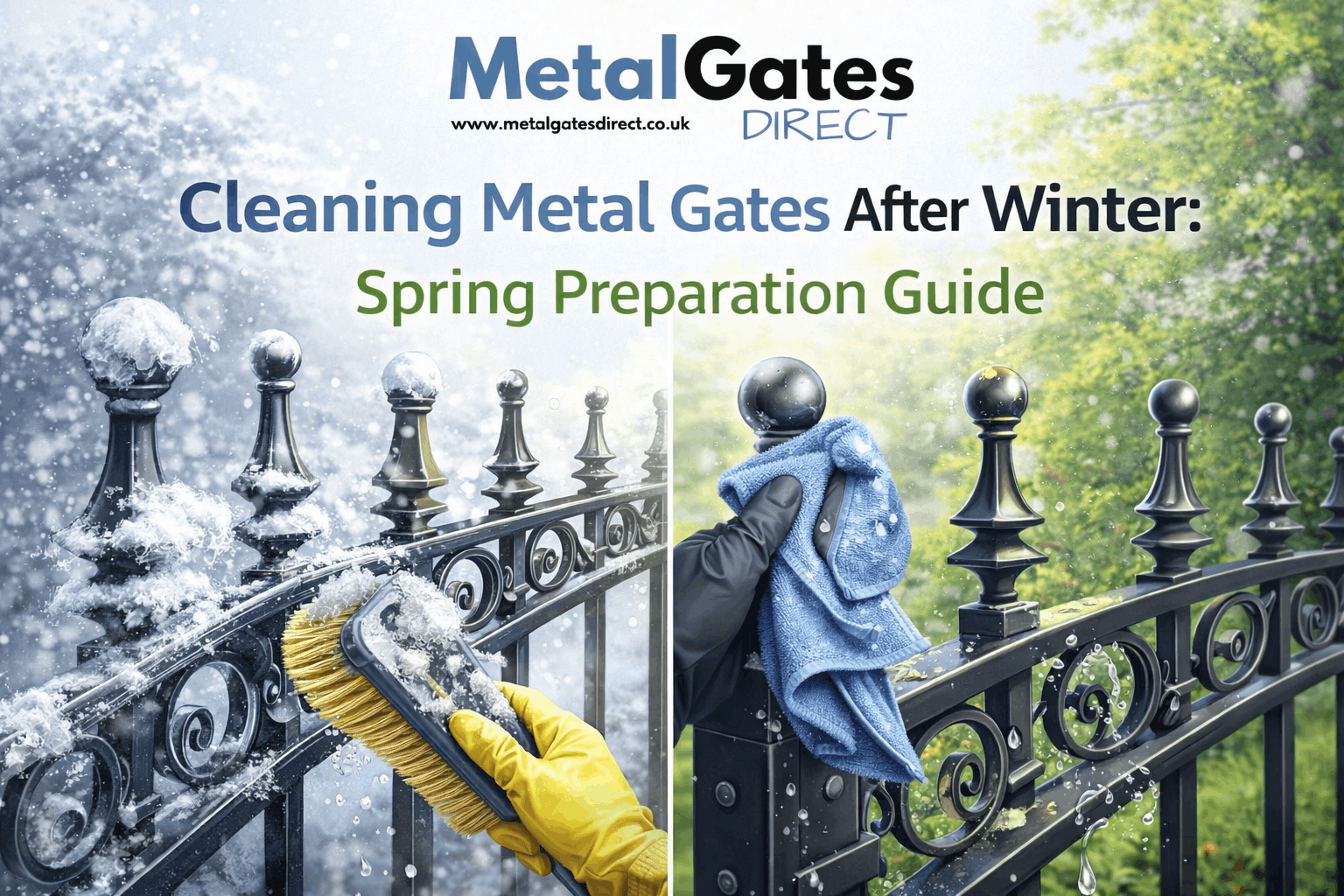
There is no doubt that as the snow begins to melt and the last of the winter weather dissipates, metal gates have never looked worse! This isn’t an exaggeration – its reality. After months of road salt spray, grime, and debris that have been driven into the gates by the elements, they have never looked so dirty. Spring cleaning is not just for indulgence – it's for preparation.
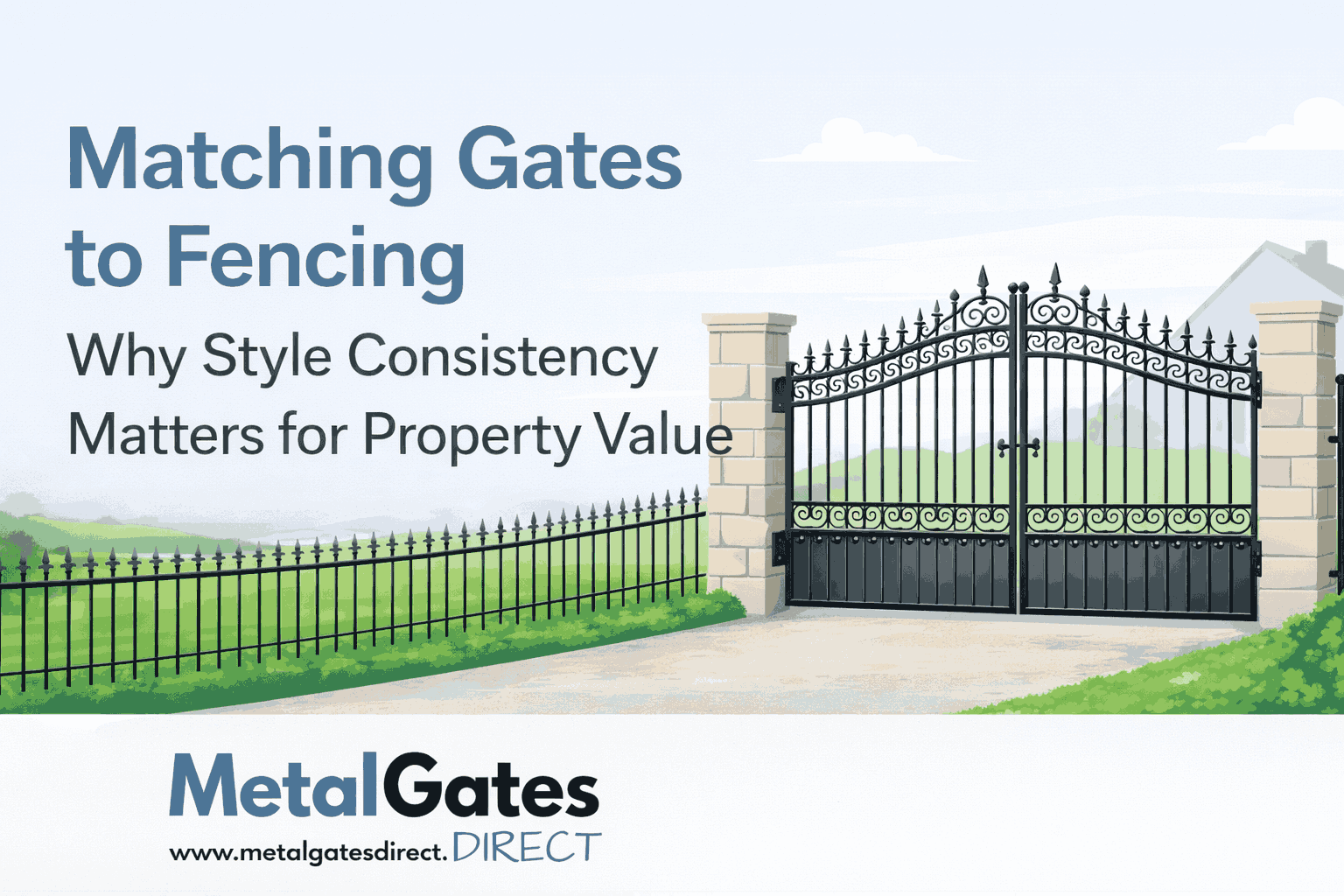
Property boundaries are now way more than keeping your privacy intact. Property boundaries have evolved to become more about first impressions, aesthetics, and property value. Many property owners have invested in excellent gates for their properties but have paid little attention to how these gates relate to their fencing. Such an oversight can have significant negative impacts on property value, with most people not realising this until their estate agent explains it to them.
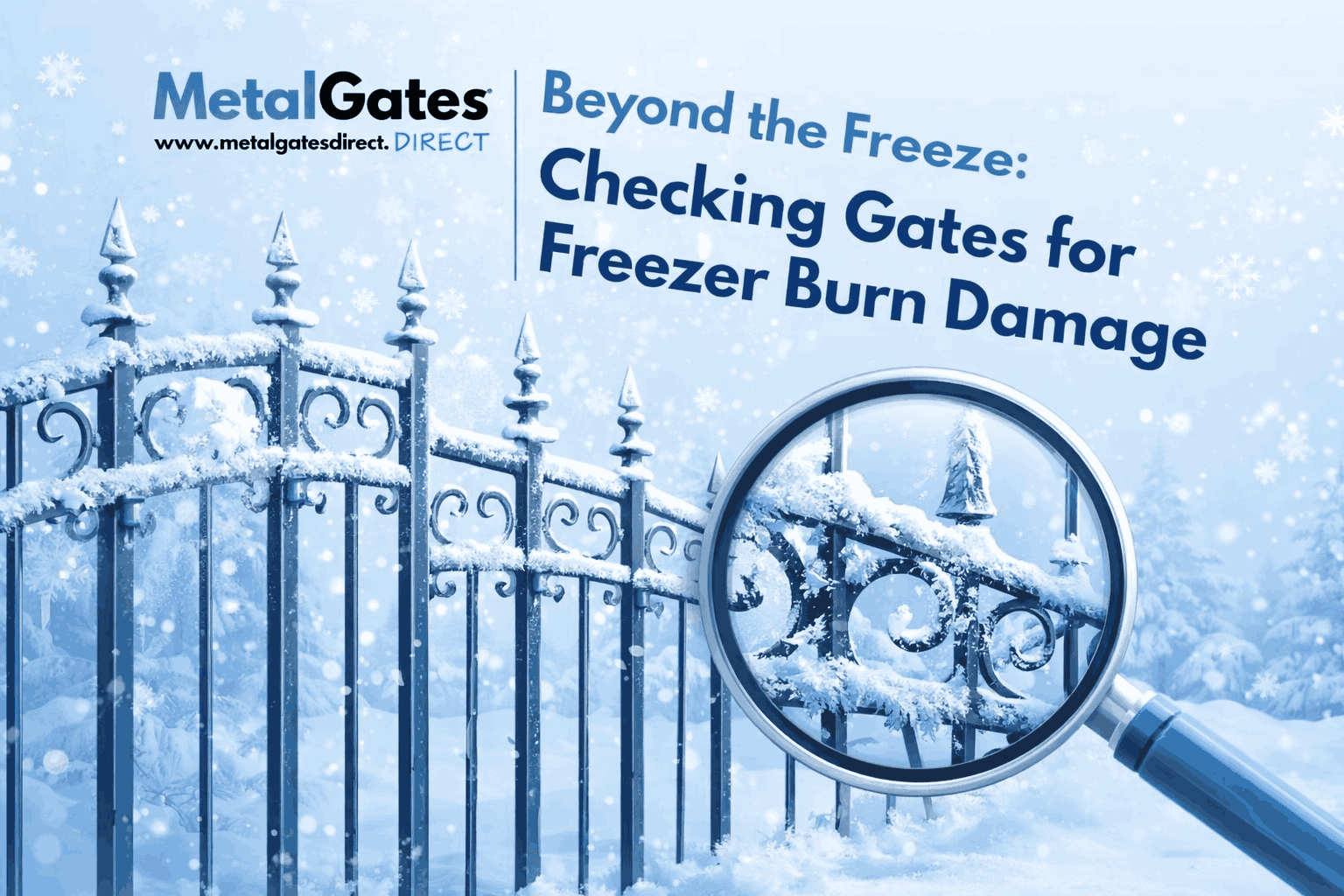
The cold snap that struck the UK during January this year puts metal gates through their paces to a degree of which few homeowners are aware. With temperatures well down at minus 4 degrees and accompanying snow, ice, and 'freeze and thaw cycles,' weaknesses manifesting under milder conditions escape detection. But as things stand to clear, it’s a good time assess the condition of the metal gates.

Listed building consent for gates catches more property owners off guard than almost any other planning issue. You have just bought a beautiful Georgian townhouse or Victorian villa. The existing gates are falling apart. Surely, replacing them is straightforward maintenance?
- Railings